Dharamshala is a photographer’s dream. It sits in the Himalayas. Tall pine trees, snow-capped mountains, and quiet valleys surround the town. Every corner tells a story. For anyone who loves photography, this town is a canvas to explore.
Whether you stay in hotels in Dharamshala, choose mountain view hotels in Dharamshala, or enjoy the luxury of 5 star hotels in Dharamshala, you will find endless chances to capture the beauty of this region.
Sunrise Over the Dhauladhar Mountains
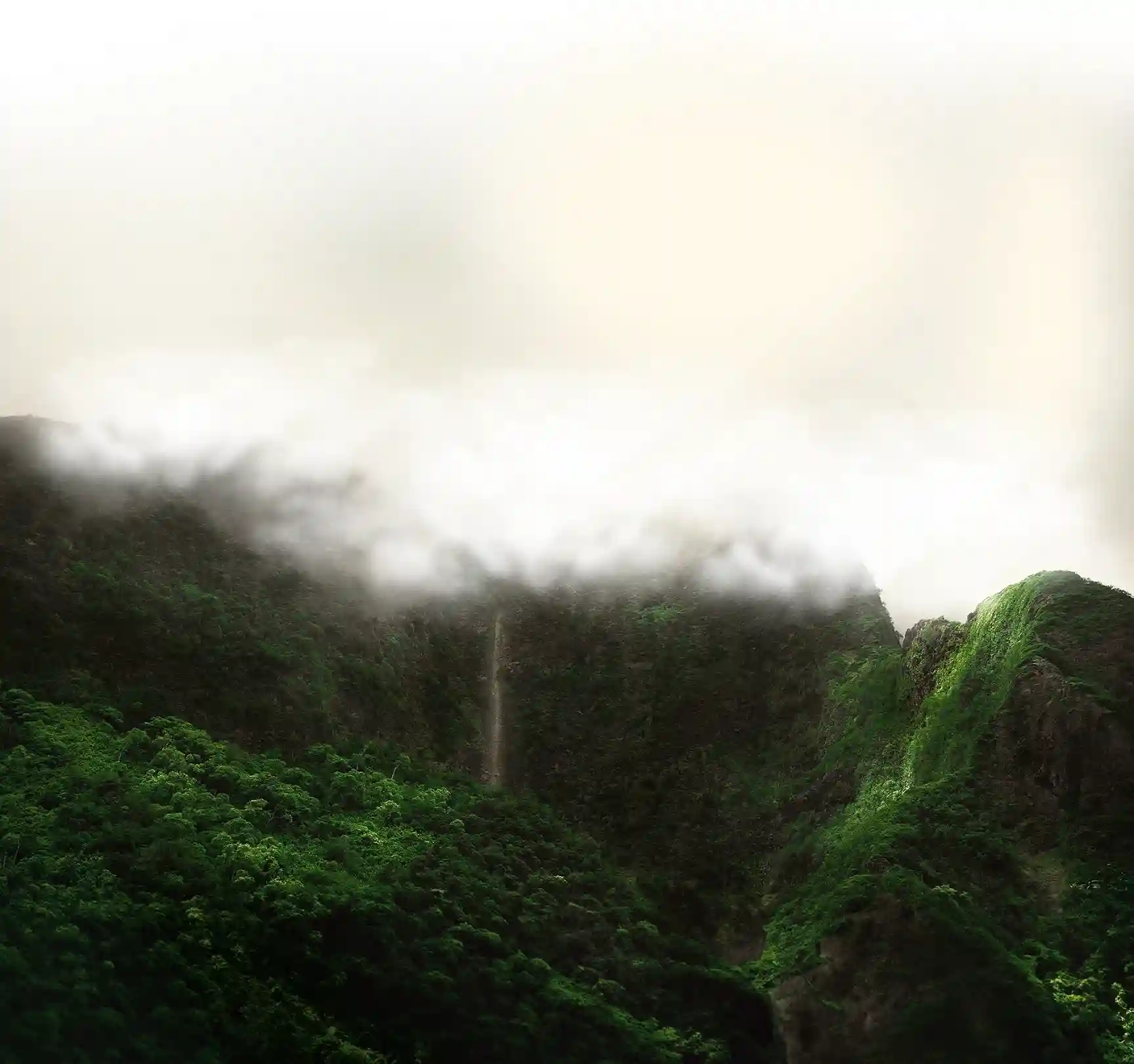
Start your day with the sunrise. The Dhauladhar mountains glow in gold, pink, and violet. Mist drifts through the pine trees. It creates layers in your photos. A tripod and wide-angle lens help capture the full scene. If you stay in a mountain view hotel in Dharamshala, you can see the sunrise from your balcony. The morning light on the peaks is unforgettable.
Streets of McLeod Ganj
McLeod Ganj is full of life. Colorful prayer flags hang over narrow lanes. Small cafes and shops line the streets. You can photograph monks walking past temples or local artisans at work. In December and January, the air is crisp. Colors pop against the clear sky. Using a slow shutter speed can capture movement. It adds life to your photos.
Dal Lake and Bhagsu Waterfall
Dal Lake is calm in the early morning. Bhagsu Waterfall is lively and beautiful. Both spots are ideal for nature photography. Early hours give reflections on the water and fewer crowds. Winter adds frost to the trees. It makes pictures magical. Polarizing filters improve colors and reduce glare. Staying at hotels in Dharamshala nearby makes photography easy and relaxed.
Monasteries and Temples
Dharamshala has many beautiful monasteries and temples. Namgyal Monastery and Tsuglagkhang Complex are very photogenic. Golden roofs shine against the mountains. Light through temple windows adds depth. Fog in winter makes the shots more dramatic. Photographs of monks in traditional robes tell a story of peace and spirituality.
Local Life and Culture
Winter brings a rich culture to Dharamshala. Festivals, local markets, and Tibetan traditions give many photo opportunities. Capture people in traditional dress, street vendors, and daily life. A 50mm lens is ideal for close-ups. 5 star hotels in Dharamshala often organize cultural tours. These tours help you capture authentic moments easily.
Photography Tips
- Golden Hours: Shoot early morning or late afternoon. Light is soft, and colors are rich.
- Tripod: Useful for low-light and snow photography.
- Lenses: Wide-angle for landscapes. 50mm or 85mm for portraits.
- Filters: Polarizers and ND filters improve skies and reflections.
- Composition: Use lines, frames, and the rule of thirds to make balanced photos.
Winter in Dharamshala
December and January are special months. Snow lightly covers the mountains. Lakes may freeze partially. Foggy mornings create a mystical effect. Winter colors are clear and bright. Cold weather adds freshness to your images. Dress warmly, especially when carrying camera gear.
Tiaraa Jujurana Resorts & Spa
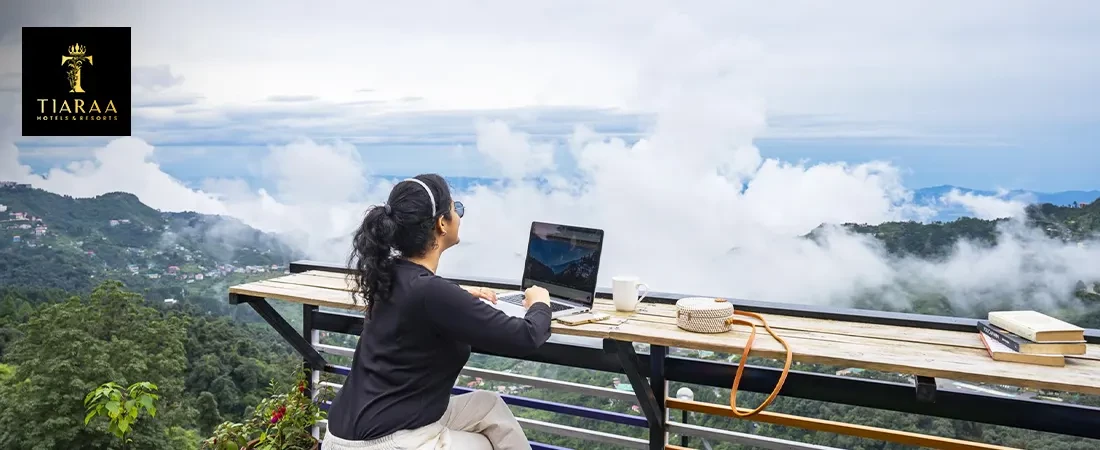
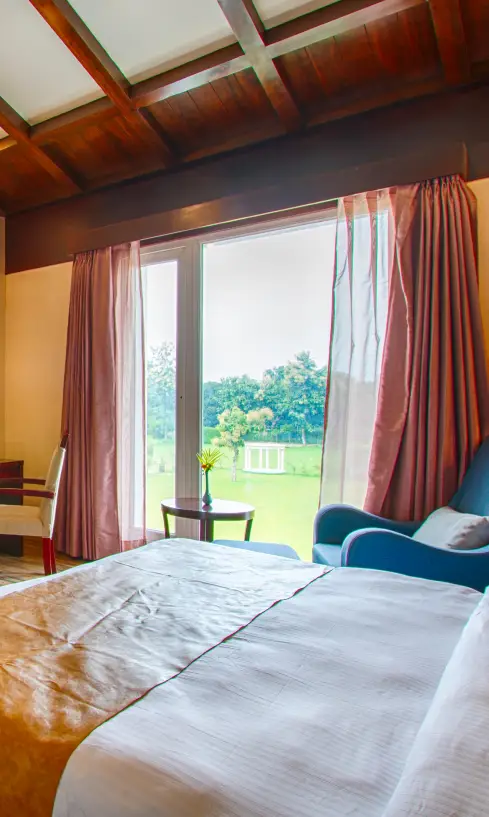
For a memorable stay, try Tiaraa Jujurana Resorts & Spa. This mountain view hotel in Dharamshala offers views of the Dhauladhar range. Sip tea on your balcony as clouds drift past. Photograph the sunrise, gardens, and Himalayan architecture from your room. The resort is photogenic itself, perfect for landscape and lifestyle shots.
Lights Camera Click
Dharamshala is not just a destination, it is a scenery, a paradise for photography lovers. Tiaraa Jujurana complements the beauty of the Dharamshala. Tiaraa is one of the best hotels in Dharamshala. It gives you the best local and international cuisines in its on-site restaurant. When it comes to indoor fun, Tiaraa allows you to have fun in their in-house theatre, or you can relax at the spa.
Tiaraa Jujurana is one of the best resorts in Dharamshala with the mountain view that turns your mornings into the screenplay of a Hollywood movie. It means your photography starts indoors and goes on.
Visit Dharamshala this winter and stay with Tiaraa Jujurana to make your every moment picture perfect.
FAQs
1. When is the best time to photograph Dharamshala?
Early morning and late afternoon are best. Sunrise gives soft golden light over the mountains. In December and January, the mornings are crisp with mist. Sunset gives warm colors for landscapes. Avoid mid-day light. It creates harsh shadows. Mid-morning is best for street and cultural photography.
2. Which lenses and equipment should I carry?
Use a wide-angle lens (16–35mm) for mountains and valleys. A 50mm or 85mm lens works for portraits and streets. Bring a tripod for low light, long exposure, and snow. A polarizing filter improves colors and removes glare. Carry extra batteries. Cold weather in December and January drains them fast. Use a camera bag to protect gear from moisture.
3. How can I capture snow and winter landscapes?
December and January often have light snow and frost. Use a tripod for stability. Increase exposure slightly to make snow white. Overcast days give soft, even light. Capture reflections in lakes and streams for more dynamic shots. Wear layers to stay warm and focus on photography.
4. Are there must-visit spots for photography?
Yes. The Dhauladhar mountains give panoramic views. Dal Lake and Bhagsu Waterfall are calm and lively spots. McLeod Ganj streets are perfect for culture and street photography. Namgyal Monastery and Tsuglagkhang Temple are ideal for architecture and spiritual shots. Staying at mountain view hotels in Dharamshala gives early access to sunrise and sunset points.
5. How can I capture local culture and festivals?
Focus on candid moments—monks, artisans, or street vendors. Avoid flash to keep natural light. December and January often have festivals. Photograph small processions, music, or food stalls. Zoom or prime lenses help capture close-ups without disturbing people. Polite conversation with locals can give access to private ceremonies.